
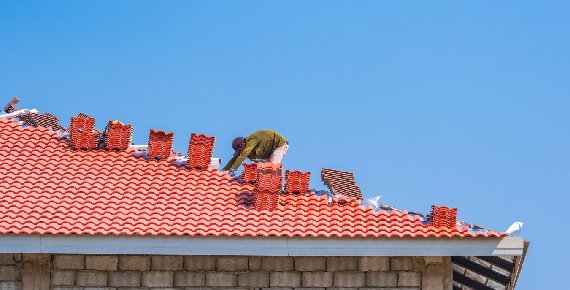
We find the real entry point rather than patching where the stain shows. In Brisbane homes, most leaks trace back to failed flashings, cracked pointing or rusted valley irons rather than the tiles themselves.
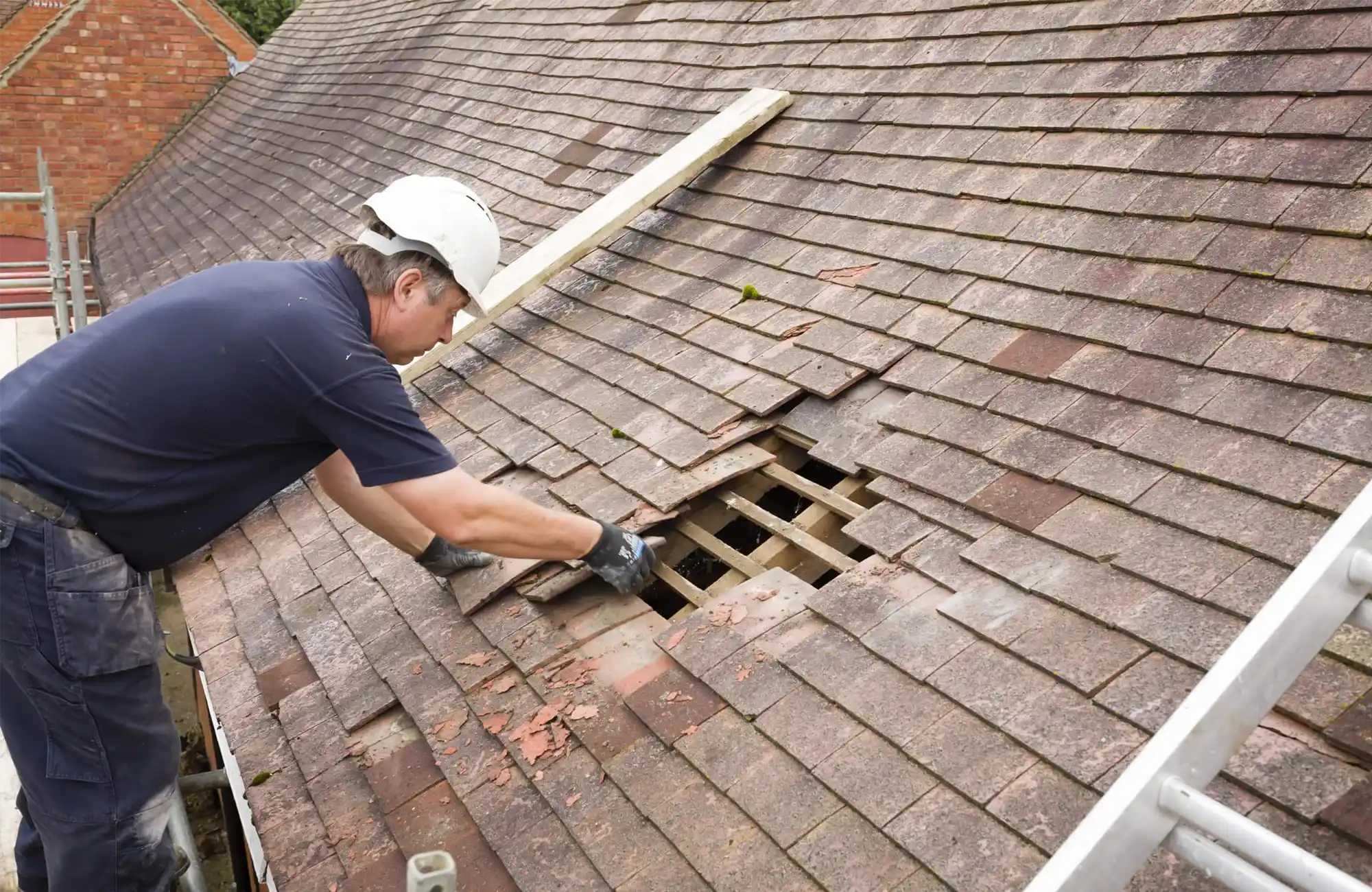
Concrete and terracotta tiles crack from hail, foot traffic and constant thermal movement. We match your existing profile and colour where possible, replace what is broken, and reset anything that has slipped out of line.
The original sand cement bedding on older Brisbane roofs goes brittle under years of UV and cracks apart, letting ridge caps loosen. We rebed loose caps and repoint using flexible compound that moves with the roof instead of cracking again in two summers.
Valleys carry more water than any other part of a roof. Once they rust through, water goes directly into the ceiling below. We lift the surrounding tiles, replace the corroded valley, and reset everything correctly.
Around chimneys, skylights, vents, whirlybirds and wall junctions. Failed or lifted flashing is one of the most common leak sources on Brisbane homes, and one of the most frequently missed.
Perished screw washers, corroded and lifted sheets, rust treatment and loose fixings. Particularly common on bayside properties through Wynnum, Manly and Redcliffe where salt air accelerates corrosion.
Most roof problems announce themselves well before they become expensive. These are the ones worth acting on.
✔ Water stains, bubbling paint or discolouration on ceilings and cornices
✔ A damp or musty smell in the roof cavity or upstairs rooms
✔ Mould appearing in room corners or along wall junctions
✔ Daylight visible through the roof space during the day
✔ Tiles visibly out of line, cracked or missing when viewed from the ground
✔ Crumbling mortar or open gaps along the ridge lines
✔ Gutters overflowing during rain even when they are clear of debris
✔ Any sagging or bulging in the ceiling, which means water has been sitting there for some time
✔ Loose tiles or debris in the gutters after a storm
✔ A sudden rise in cooling costs, which can indicate wet insulation
Call early. Water sitting in a roof cavity soaks insulation, stains plaster and eventually reaches framing timber. A repair that would have cost a few hundred dollars turns into a job costing several thousand, and insurers are far less sympathetic to damage that developed gradually than to damage caused by a single storm.
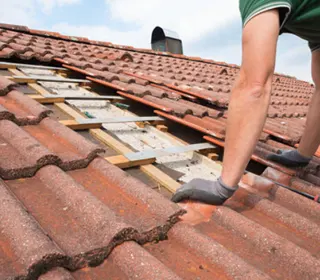
Not every roof problem needs a full restoration, and we will tell you honestly which one yours is.
A repair is the right answer when:
The problem is localised. A handful of cracked tiles, one failed section of flashing, a single rusted valley. The rest of the roof is structurally sound, the pointing is generally intact and the surface coating is still doing its job.
A restoration makes more sense when:
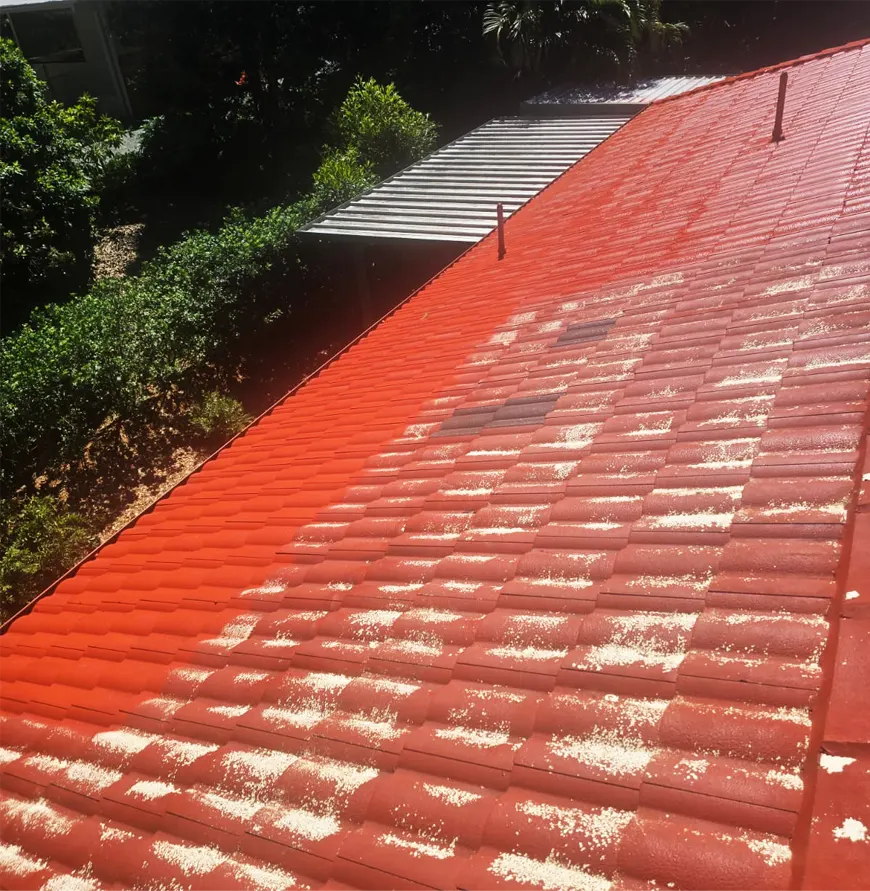
The pointing has failed across the whole roof rather than in one section. The surface coating has broken down and tiles are absorbing water. Multiple tiles are cracked or delaminating. Moss and lichen have taken hold across large areas.
At that point, repeated repairs cost more over three or four years than restoring the roof once and doing it properly. A full restoration adds roughly 10 to 15 years of protection.
We assess this during the inspection and give you the honest answer, including if the honest answer is that your roof needs nothing yet.
Most roof problems announce themselves well before they become expensive. These are the ones worth acting on.
✔ Water stains, bubbling paint or discolouration on ceilings and cornices
✔ A damp or musty smell in the roof cavity or upstairs rooms
✔ Mould appearing in room corners or along wall junctions
✔ Daylight visible through the roof space during the day
✔ Tiles visibly out of line, cracked or missing when viewed from the ground
✔ Crumbling mortar or open gaps along the ridge lines
✔ Gutters overflowing during rain even when they are clear of debris
✔ Any sagging or bulging in the ceiling, which means water has been sitting there for some time
✔ Loose tiles or debris in the gutters after a storm
✔ A sudden rise in cooling costs, which can indicate wet insulation
Call early. Water sitting in a roof cavity soaks insulation, stains plaster and eventually reaches framing timber. A repair that would have cost a few hundred dollars turns into a job costing several thousand, and insurers are far less sympathetic to damage that developed gradually than to damage caused by a single storm.
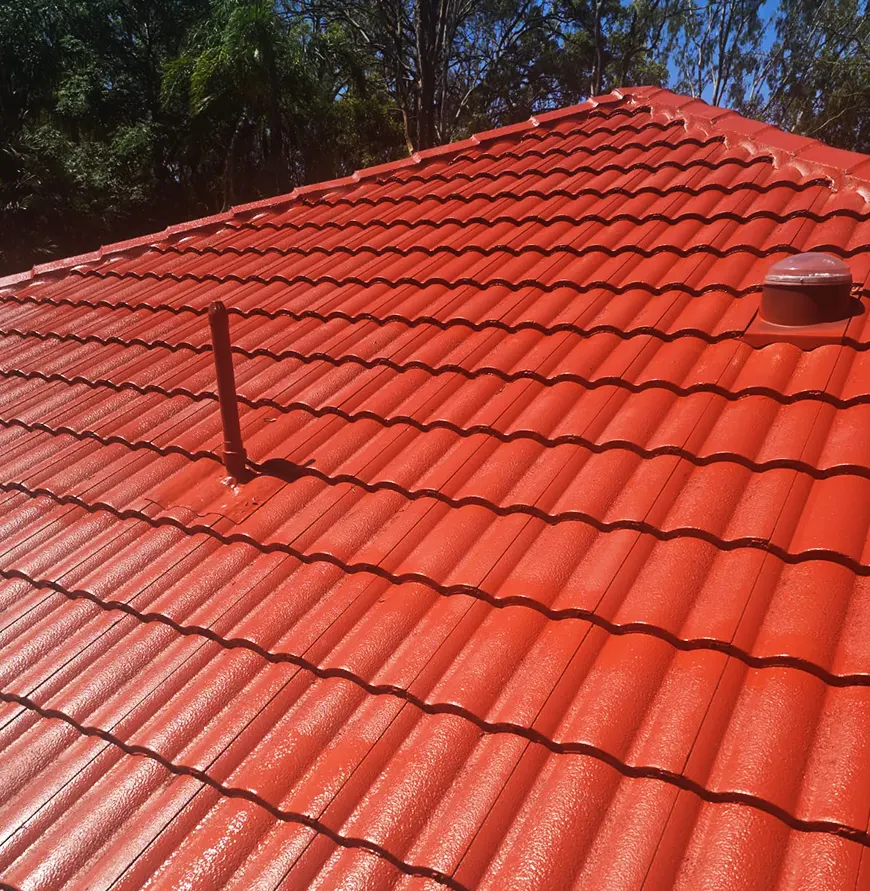
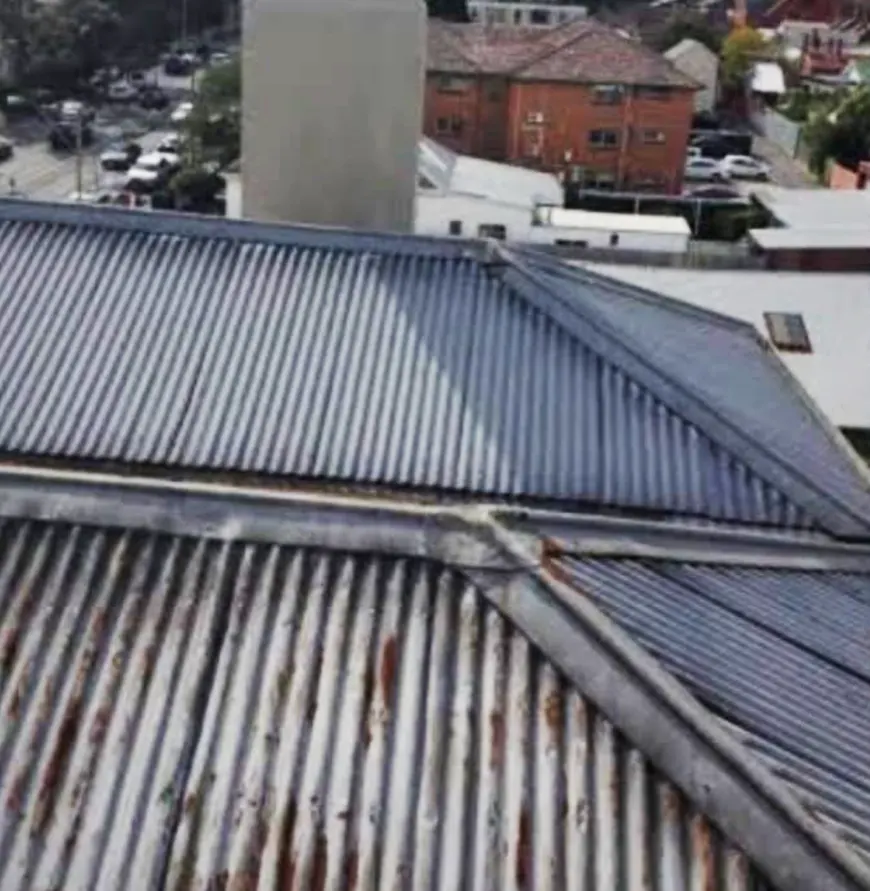
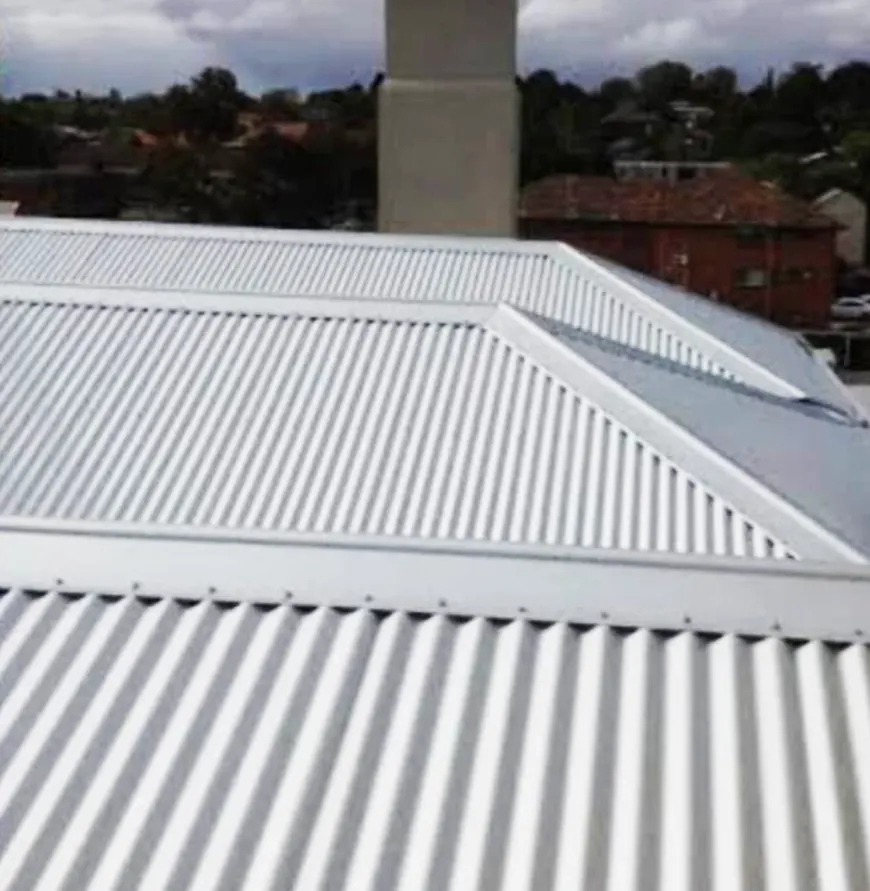
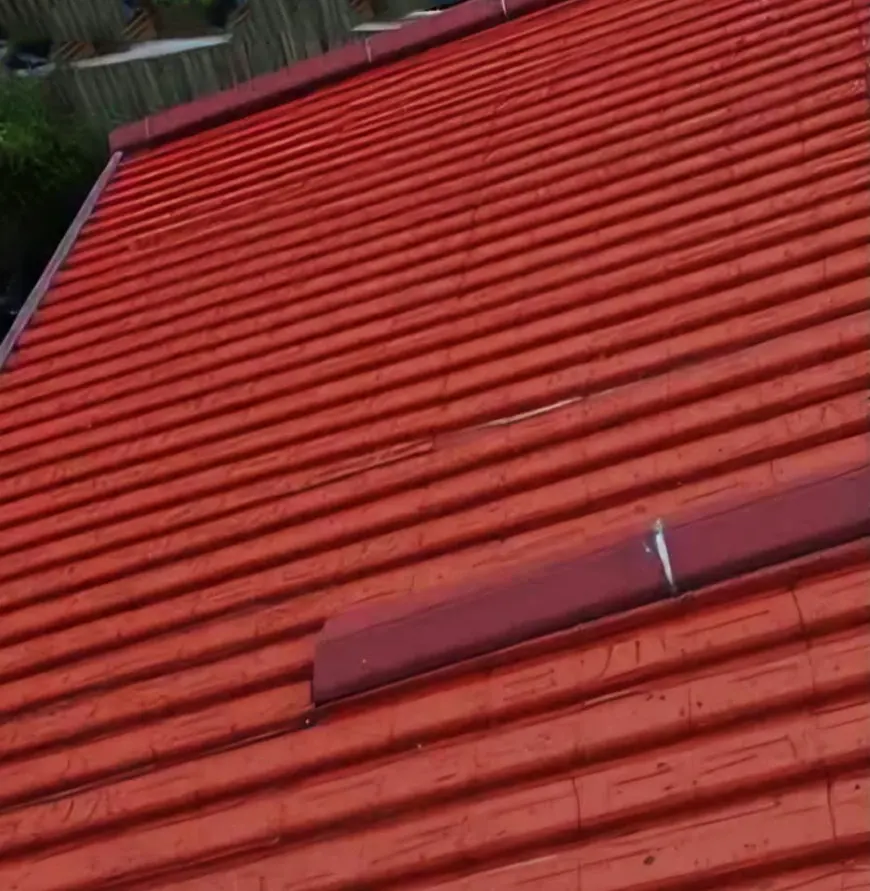
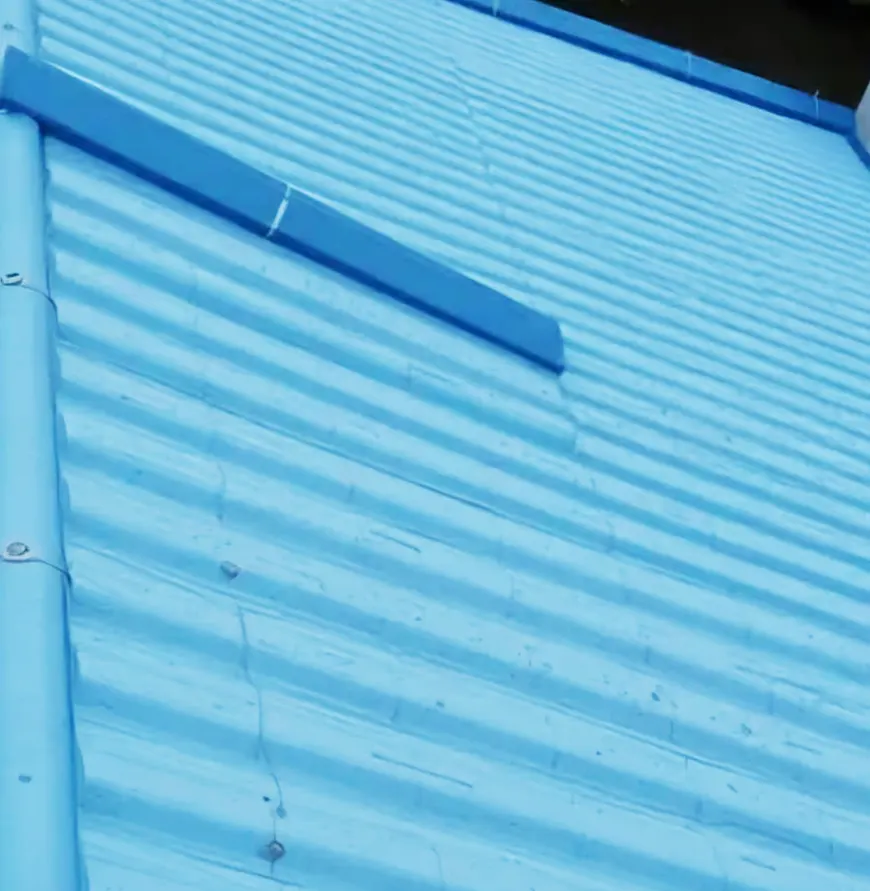
Leaks travel. We trace them back to the entry point rather than patching near the ceiling stain and hoping it holds until we have been paid.
Fully QBCC licensed and insured, working to Queensland height safety requirements. (QBCC Licence No. [INSERT])
Every job documented before and after, so you can see exactly what you paid for without taking anyone's word for it.
Chermside, Aspley, Bracken Ridge, Everton Park, Stafford, Nundah, Clayfield, Ashgrove, The Gap, Ferny Grove
Mount Gravatt, Sunnybank, Carindale, Holland Park, Coorparoo, Camp Hill, Annerley, Salisbury
Indooroopilly, Kenmore, Chapel Hill, Toowong, Jindalee, Centenary Suburbs
Wynnum, Manly, Cleveland, Capalaba, Victoria Point, Thornlands
North Lakes, Redcliffe, Caboolture, Strathpine, Narangba, Burpengary
Springfield, Springwood, Shailer Park, Browns Plains, Booval, Ripley
The Gold Coast on request. If your suburb is not listed, call us anyway. We most likely cover it.