
We will call you back within one business day. Your details are never shared or sold.
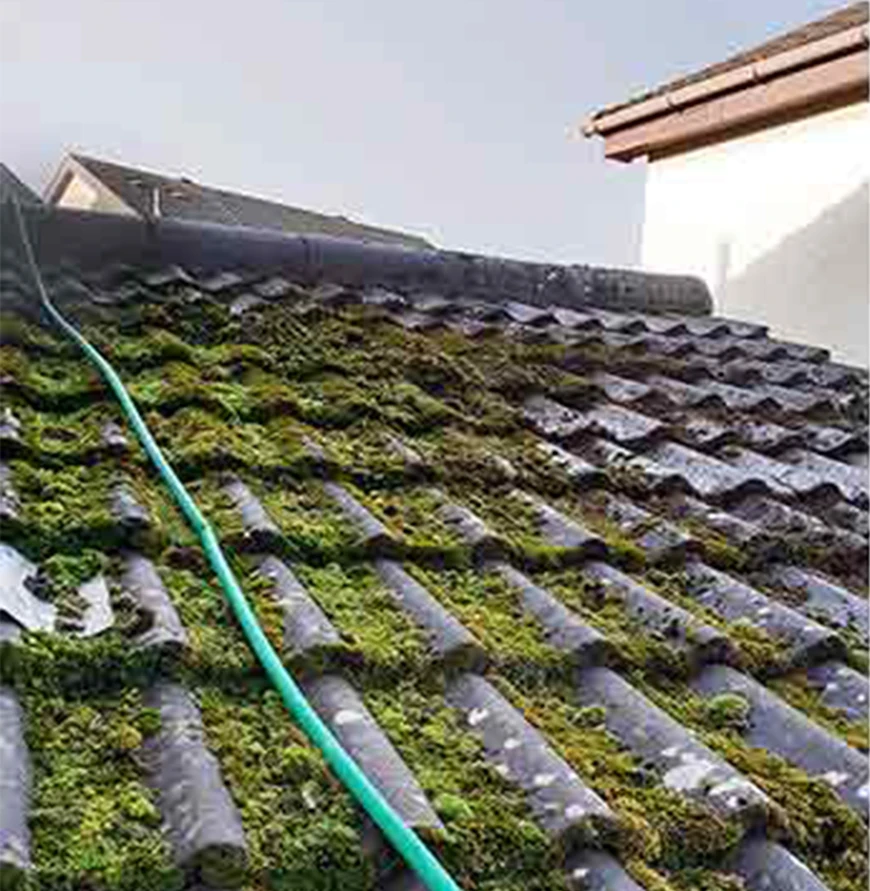
Lichen is the difficult one. It does not sit on the surface, it grips into it, and it holds moisture against your tiles permanently. We remove it and treat the area so it does not simply re establish over the next wet season.
Those dark streaks running down the slope of a roof are algae, not dirt, and no amount of scrubbing prevents their return without treatment. We clean and apply a fungicidal wash that deals with the cause.
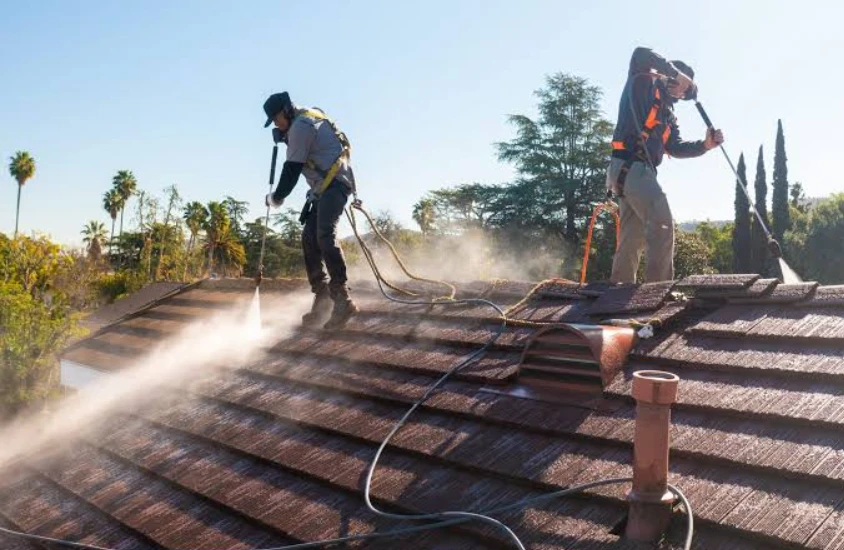
Terracotta needs a gentler approach. Too much pressure strips the glaze and leaves the tile more porous than before it was cleaned. We clean terracotta at a pressure that lifts the growth without damaging the surface.
The most common roof type across Brisbane's suburban estates. We clean back years of accumulated moss, grime and organic staining, then assess whether the tiles have gone porous and need sealing.
Mould, dirt, salt deposits and surface chalking. Common on bayside properties through Wynnum, Manly and Redcliffe where salt air accelerates the build up.
Cleaning a roof washes a significant amount of debris into the gutters. We clear them as part of the job rather than leaving you a blocked gutter and a new problem.
Roof growth is easier to deal with early. Once lichen has properly taken hold it is a harder and more expensive job.
✔ Green, black or white patches spreading across the tiles
✔ Dark streaks running down the slope of the roof
✔ Moss visible sitting in the tile overlaps and valleys
✔ Gutters filling with grit, sand and organic debris
✔ The roof looks dull, patchy or noticeably darker than neighbouring homes
✔ Shaded or south facing sections that stay damp long after rain has stopped
✔ Small plants or weeds growing in the gutters or valleys
✔ Solar panels performing below what they should be
✔ Debris blocking the valleys where two roof sections meet
✔ It has been more than three years since the roof was last cleaned
Moss and lichen are not just a cosmetic problem. They hold moisture against the tile surface continuously, which accelerates the breakdown of the coating underneath and keeps the roof structure damp for far longer than it should be after rain.
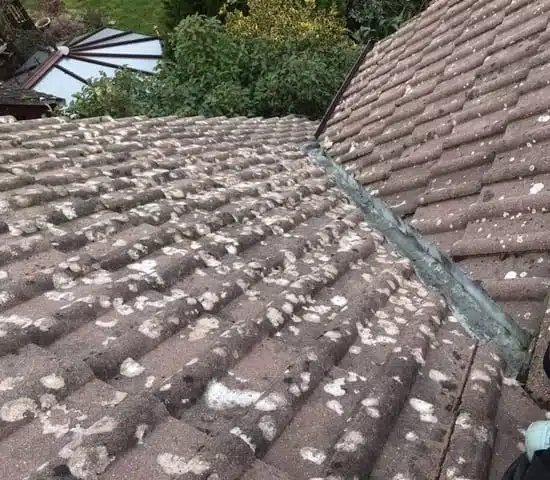
Brisbane’s leafy older suburbs make it worse again. Overhanging trees through areas like Ashgrove, The Gap, Kenmore and Camp Hill drop organic matter onto roofs continuously and keep large sections in permanent shade. South facing slopes in these suburbs often never see direct sun through winter at all, and those are almost always the sections where growth appears first and returns fastest.
Should You Clean Only, Or Clean And Seal?
This is worth understanding before you spend anything, because cleaning alone is the right answer for some roofs and a waste of money on others.
Cleaning on its own is enough when:
The tiles are in sound condition and the surface coating is still intact. The growth is recent rather than long established. You are maintaining a roof that has been looked after and simply needs the accumulated moss and grime taken off.
Cleaning plus sealing makes more sense when:
The tiles have gone porous and are absorbing water rather than shedding it. The original surface coating has worn away, which is common on concrete tiles past roughly fifteen years. The roof has heavy lichen growth, because once that comes off you often find a surface that no longer has any protection left on it.
Here is the honest part. Cleaning a roof with a degraded surface exposes bare, porous tile. It looks dramatically better, but it will attract growth again faster than before, because there is nothing left to resist it. On those roofs, cleaning without sealing is a short term result.
We tell you which category your roof falls into at the inspection, with photos, so you can decide rather than guess.
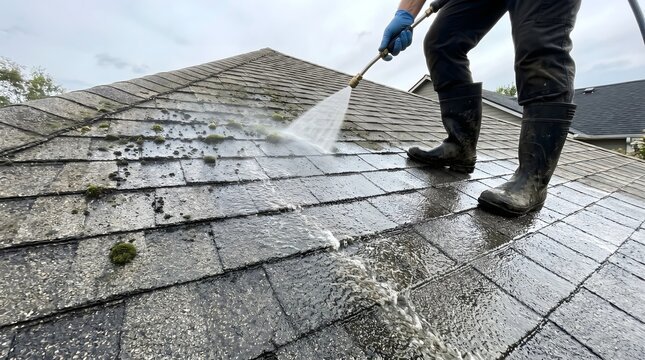
Roof cleaning attracts a lot of operators with a pressure washer and no roofing knowledge, and the damage is not always obvious on the day.
Excessive pressure strips protective surfaces. Terracotta glaze and concrete tile coating both come off under enough force. The roof looks clean, and it is now less protected than it was.
Water forced under tiles ends up in your ceiling. Directing high pressure water uphill against the tile overlap pushes it straight underneath. On unsarked Brisbane homes there is nothing between that water and your plaster.
Cracked tiles get walked over, not reported. Roof cleaning requires walking the entire surface. Someone who is not a roofer will not recognise a hairline crack or a lifting ridge cap, and will not tell you about it.
Skipping the fungicidal treatment guarantees regrowth. Cleaning without treating removes the visible growth and leaves the spores. It comes back, usually within a season.
We clean roofs as roofers. That means we assess tile condition first, use pressure appropriate to the material, treat the growth properly, and tell you about anything else we find up there while we are on the roof.
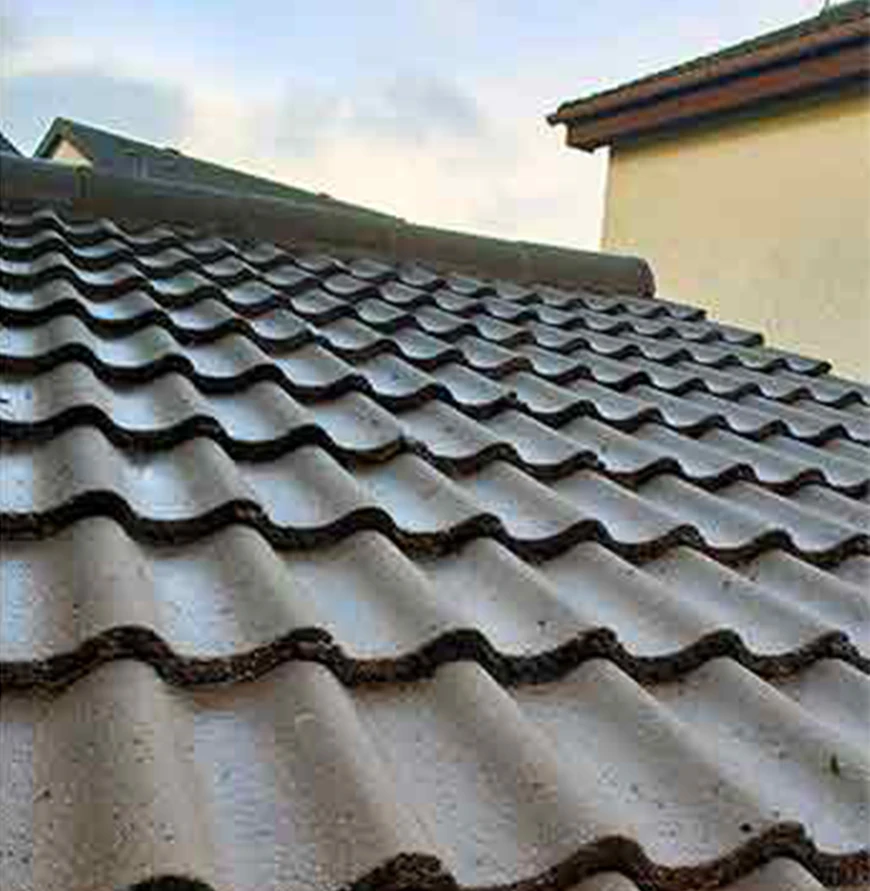
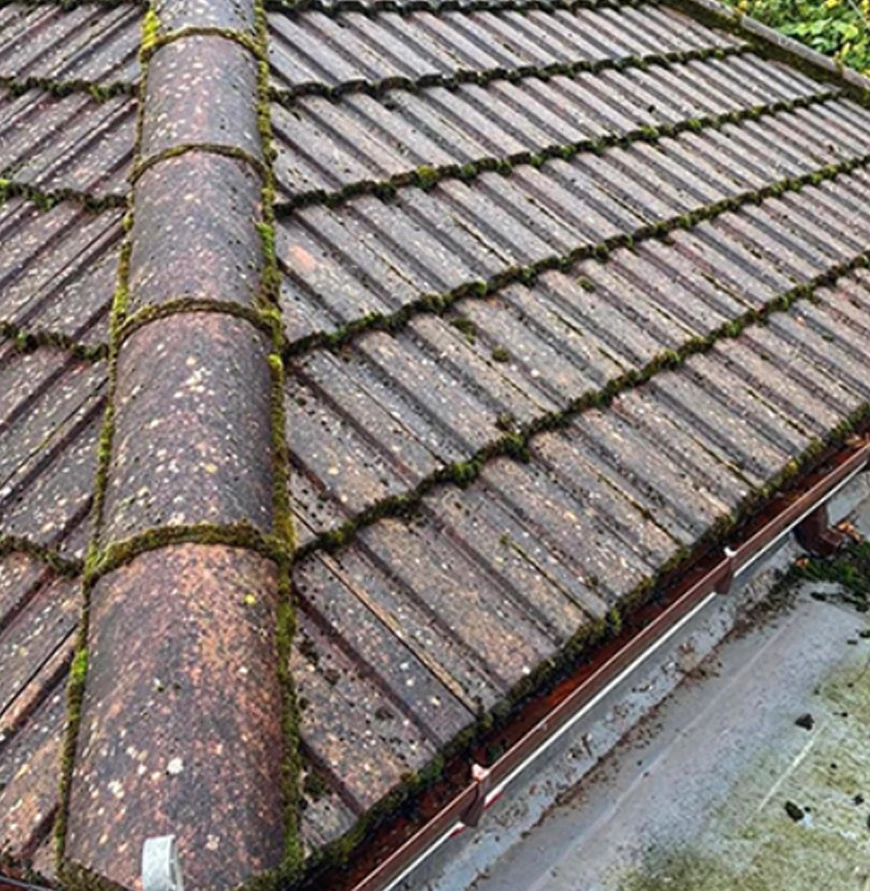
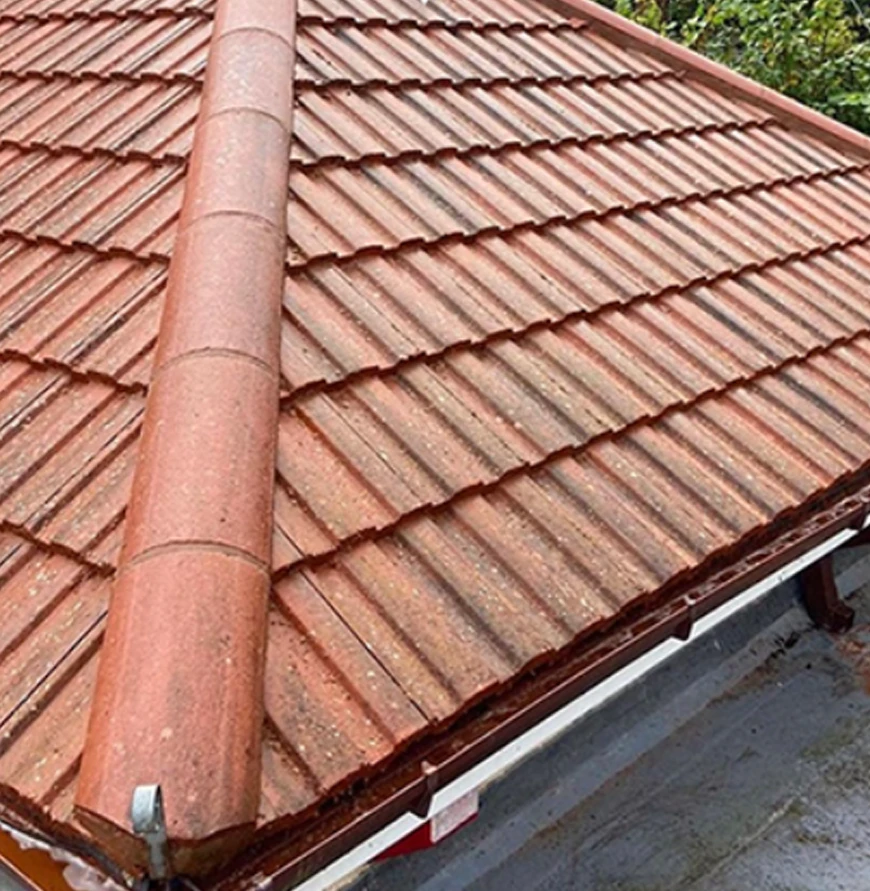
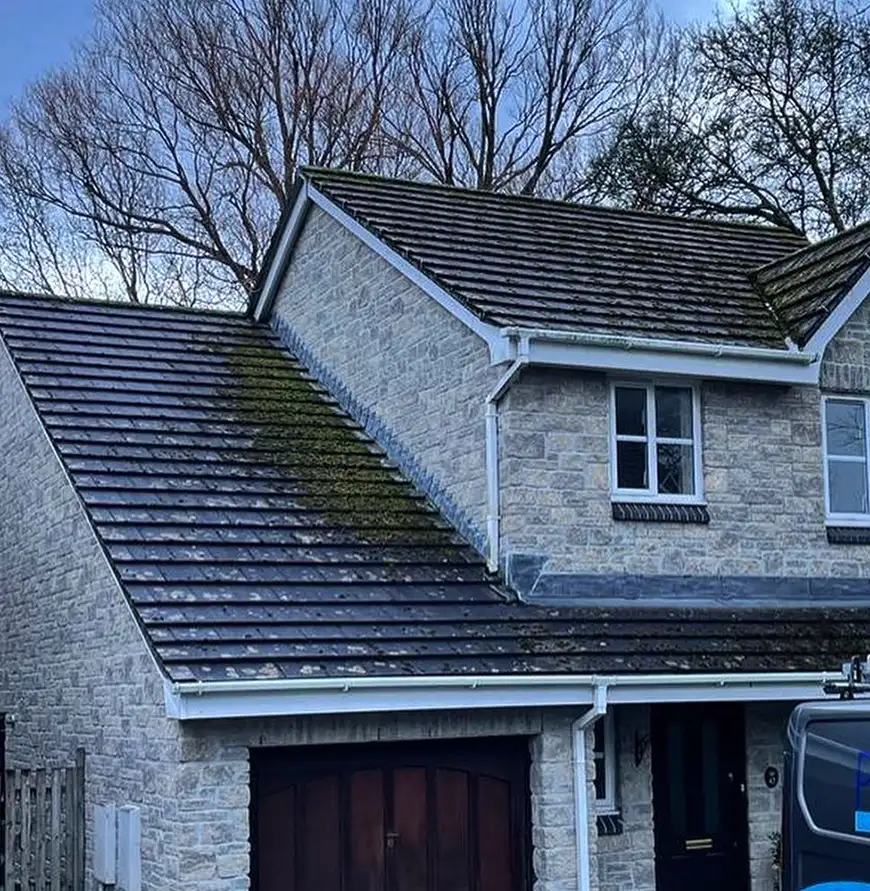
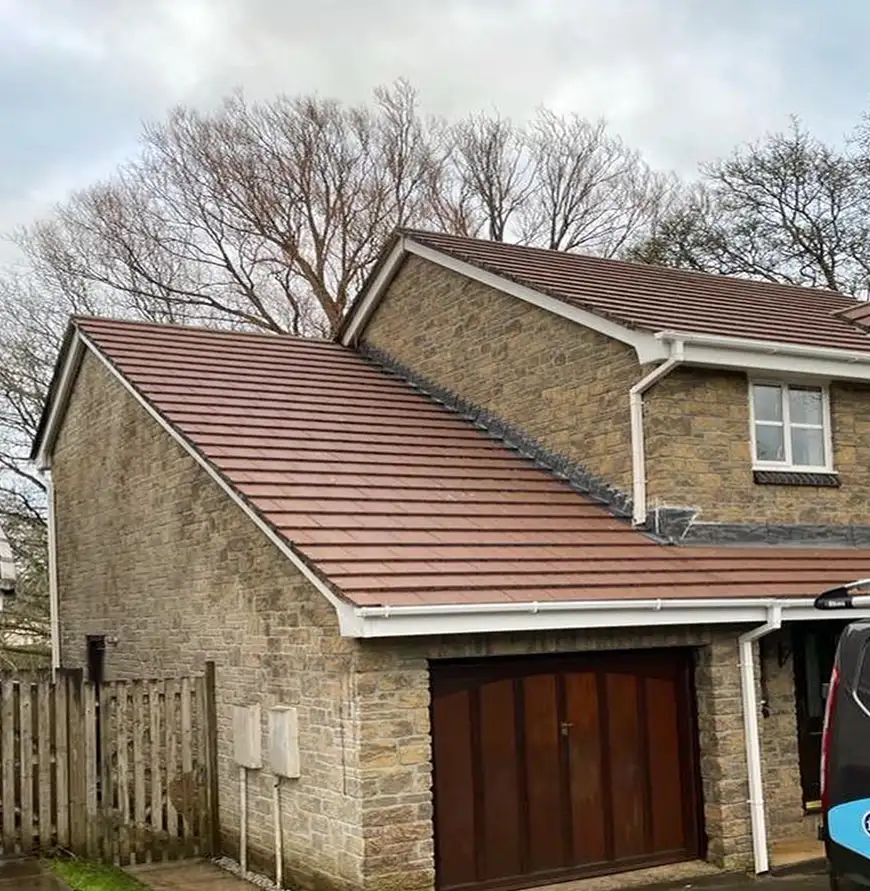
Not Pressure Washers We assess tile condition before we start and use pressure suited to the material, so your roof is cleaner afterwards without being more exposed.
Fully QBCC licensed and insured, working to Queensland height safety requirements. (QBCC Licence No. [INSERT])
Every job documented before and after, so you can see exactly what you paid for without taking anyone's word for it.
Chermside, Aspley, Bracken Ridge, Everton Park, Stafford, Nundah, Clayfield, Ashgrove, The Gap, Ferny Grove
Mount Gravatt, Sunnybank, Carindale, Holland Park, Coorparoo, Camp Hill, Annerley, Salisbury
Indooroopilly, Kenmore, Chapel Hill, Toowong, Jindalee, Centenary Suburbs
Wynnum, Manly, Cleveland, Capalaba, Victoria Point, Thornlands
North Lakes, Redcliffe, Caboolture, Strathpine, Narangba, Burpengary
Springfield, Springwood, Shailer Park, Browns Plains, Booval, Ripley
The Gold Coast on request. If your suburb is not listed, call us anyway. We most likely cover it.