
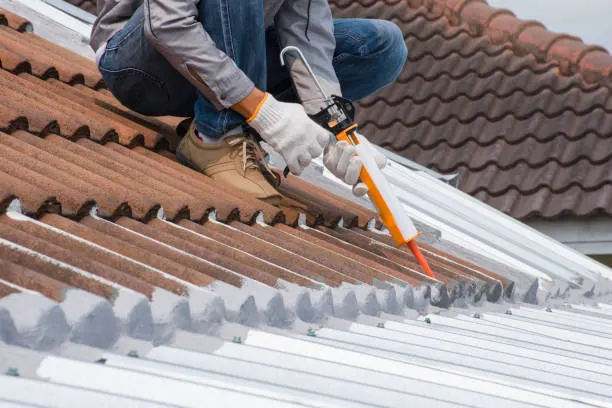
Concrete and terracotta tiles are not waterproof on their own. They rely on a surface seal to do that work, and on a tile roof that seal is the first thing to wear out.
When it goes, the tile becomes porous. Instead of running off, water soaks into the body of the tile and sits there. A saturated tile is heavier, stays damp for days after rain, holds moisture against the battens underneath, and gives moss and lichen the constantly wet surface they need to take hold. The tile itself also breaks down faster, because repeated saturation and drying works on the material from the inside.
Sealing puts that barrier back. It is the least visible thing we do to a roof and one of the most useful, because it addresses the thing causing the damage rather than the damage itself.
Aussie Durable Roof Restorations seals concrete tile and terracotta roofs across Brisbane and the surrounding suburbs.
The most common roof across Brisbane's suburban estates and the one most affected by porosity. A penetrating sealer soaks into the tile body rather than sitting on top, restoring the water resistance the factory coating used to provide.
Terracotta uses a different product. A terracotta glaze restores the depth of colour and the sheen while sealing the surface, and it lets the tile breathe rather than trapping moisture inside it.
The most valuable time to seal is immediately after a roof clean. Removing heavy moss and lichen almost always exposes a surface with nothing left protecting it, and sealing at that point stops the regrowth cycle before it restarts.
Clear sealer keeps the existing appearance and simply restores protection. A tinted sealer or glaze deepens and evens out the colour where the roof has faded patchily.
Ridge caps, valleys and the areas around penetrations sealed along with the main tile surface, rather than sprayed past.
Rust treatment and protective sealing for Colorbond and metal roofs, particularly on bayside homes through Wynnum, Manly and Redcliffe where salt air accelerates corrosion.
Porosity is easy to spot once you know what to look for, and almost invisible if you do not.
✔ Tiles darken noticeably when wet and stay dark for days after the rain has stopped
✔ The roof dries in a patchy, uneven way rather than all at once
✔ Moss and lichen return quickly after the roof has been cleaned
✔ Tile surfaces feel rough, gritty or sandy rather than smooth
✔ A chalky residue comes off on your hand when you touch a tile
✔ Bare grey concrete showing through where the original coating has worn away
✔ White mineral deposits or salt staining on the tile surface
✔ Efflorescence, the powdery white bloom that appears as moisture moves through the tile
✔ The roof has recently been cleaned and looks bare rather than protected
✔ Tiles are more than fifteen years old and have never been sealed or coated
The drying test is the simplest one. Look at your roof the morning after rain. A sealed roof dries evenly and fairly quickly. A porous roof holds dark damp patches for days, particularly on the shaded southern slope, and those are the sections where moss appears first.
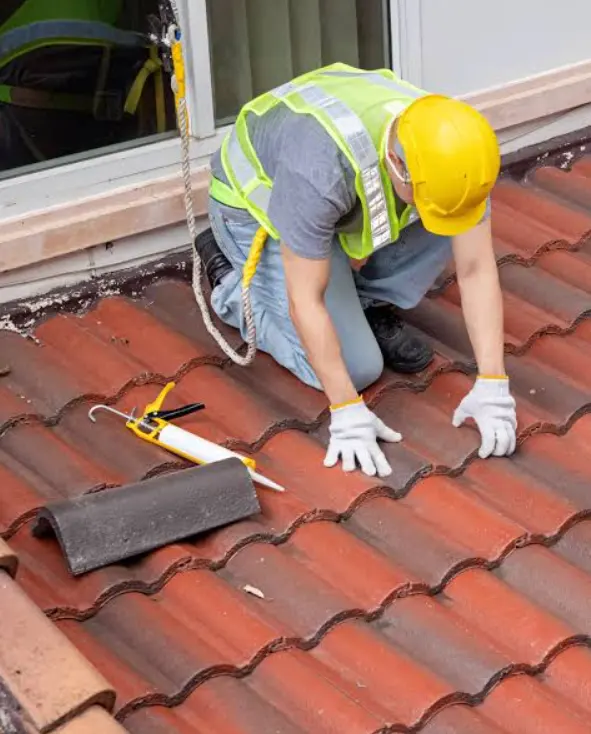
These overlap enough that they get confused, but they are different products doing different jobs.
Sealing is the right answer when:
The roof colour is still acceptable and you want protection rather than a change of appearance. The tiles have gone porous but the surface is otherwise sound. You have just had the roof cleaned and want to lock it down before the moss returns. Or the roof is terracotta, where a glaze restores colour and sheen without a full colour change.
Painting makes more sense when:
The colour has faded badly or gone patchy and you want it changed. The coating has broken down to the point where bare concrete is showing through. You want a different roof colour entirely, or you are preparing to sell and street appeal is the priority.
There is a practical distinction worth knowing. A penetrating sealer soaks into the tile and works from within. A membrane coating builds a protective film on top and gives you colour as well. Sealing costs less and preserves what you have. Painting costs more and changes how the house looks.
Plenty of Brisbane roofs need both, and in that case the sealing step happens as part of the painting preparation rather than as a separate job. We will tell you at the inspection which one your roof genuinely needs, including if the answer is sealing only.
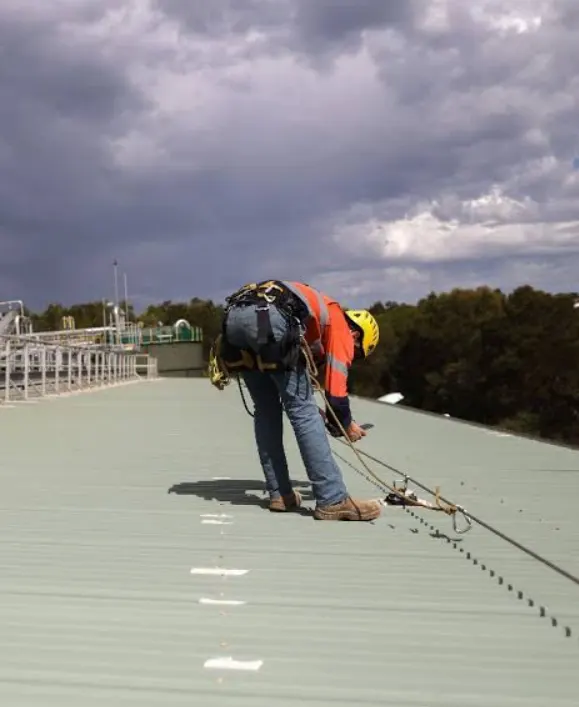
Sealing has a window, and most homeowners miss it.
Cleaning strips the roof back to bare tile. Removing years of moss and lichen also removes whatever residual protection was holding on underneath. The roof looks excellent and it is now completely exposed.
An unsealed clean roof regrows faster than before. Bare porous tile absorbs and holds water more readily than tile with any surface left on it. Homeowners who clean without sealing often find the moss returns faster the second time, and assume the cleaning was done badly.
The tile has to be genuinely dry. Sealer applied to a damp tile cannot penetrate properly and will not bond. This is the reason we will not seal the day after rain regardless of how the roof looks, and it is where rushed jobs fail.
Sealing over moss seals the moss in. Any organic material left on the surface continues growing underneath the sealer and lifts it away from the tile.
This is why cleaning and sealing are usually quoted together and done as one continuous job with proper drying time in between. Doing the clean now and the sealing in six months means paying for a second preparation, because the roof will need cleaning again before it can be sealed.
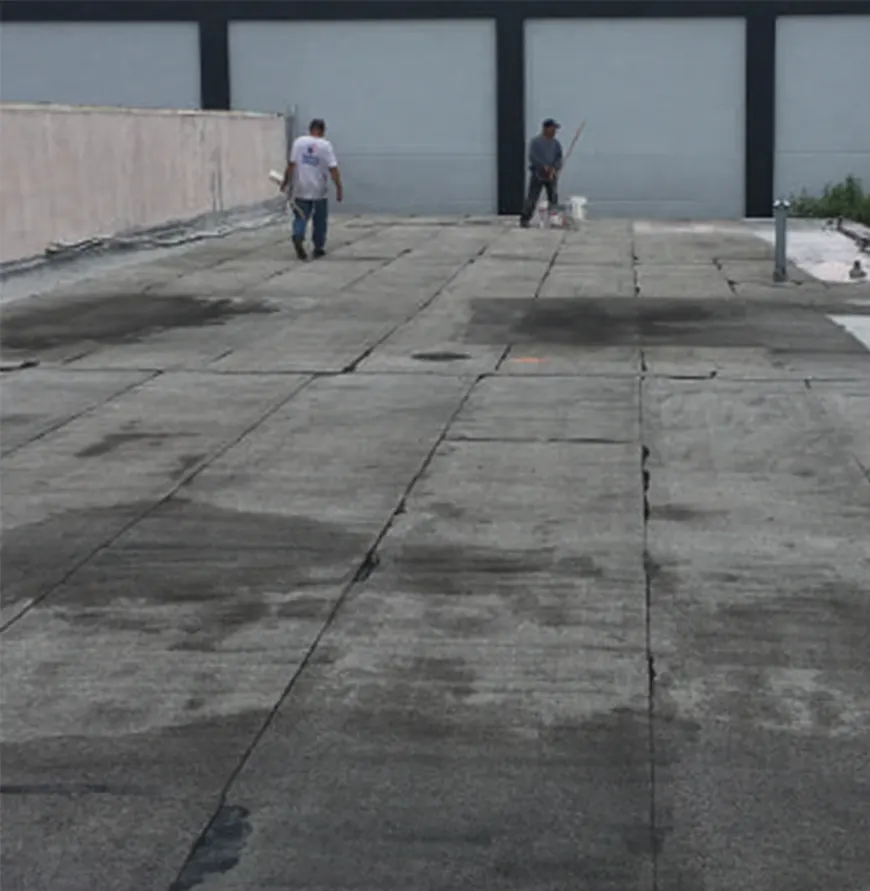
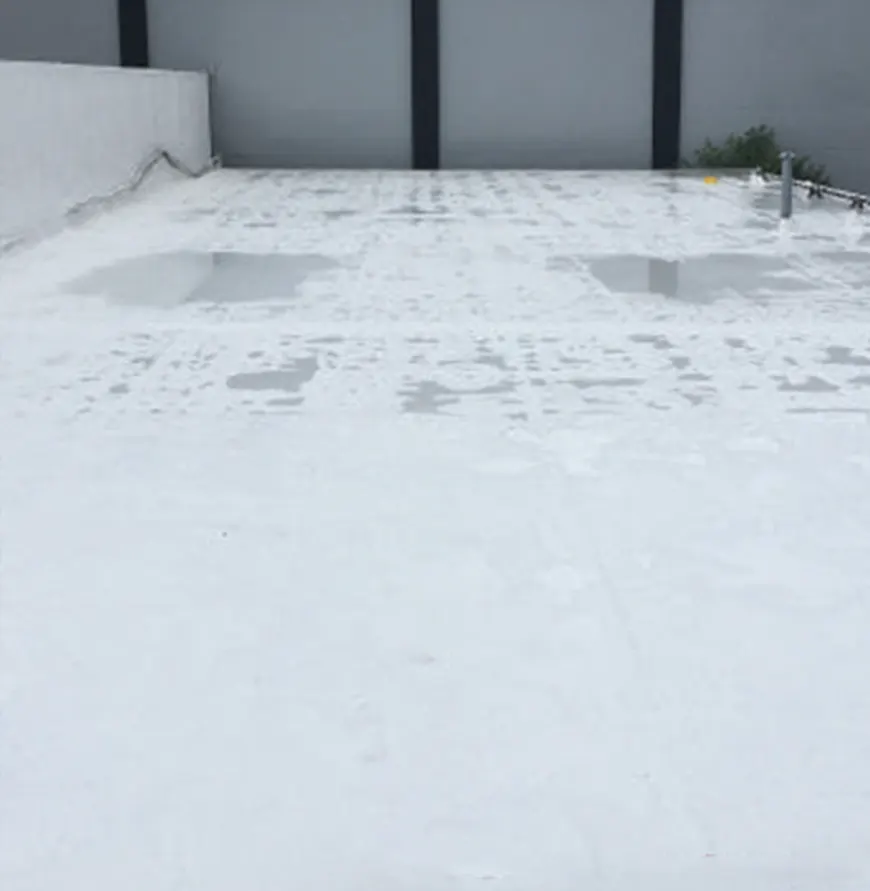
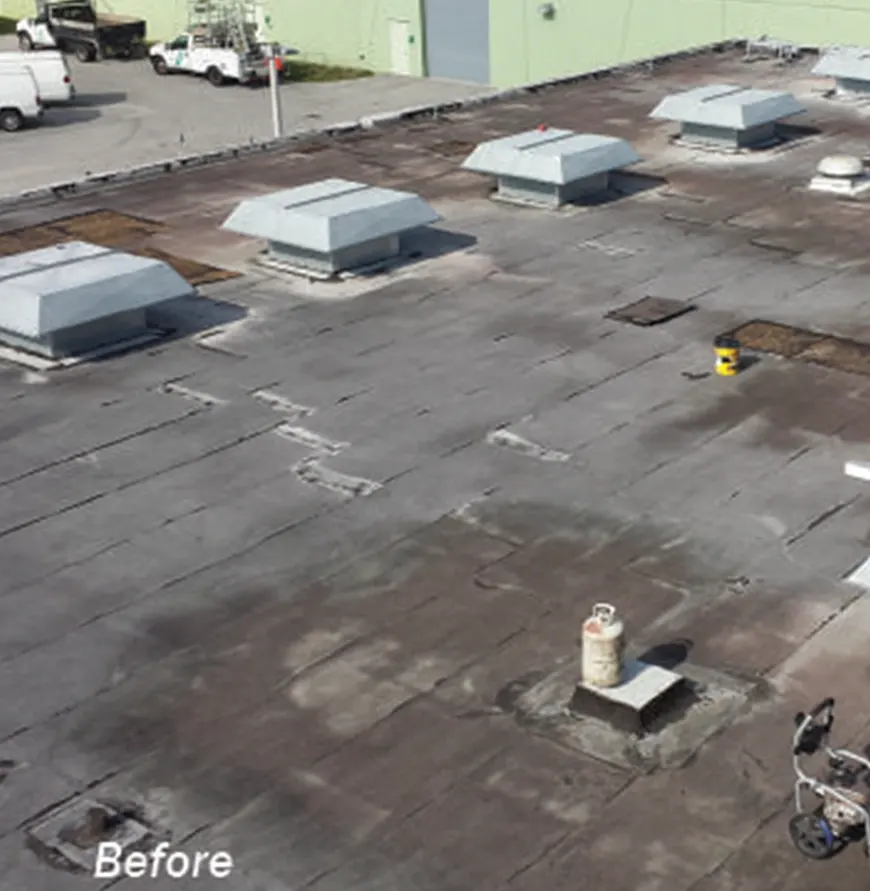
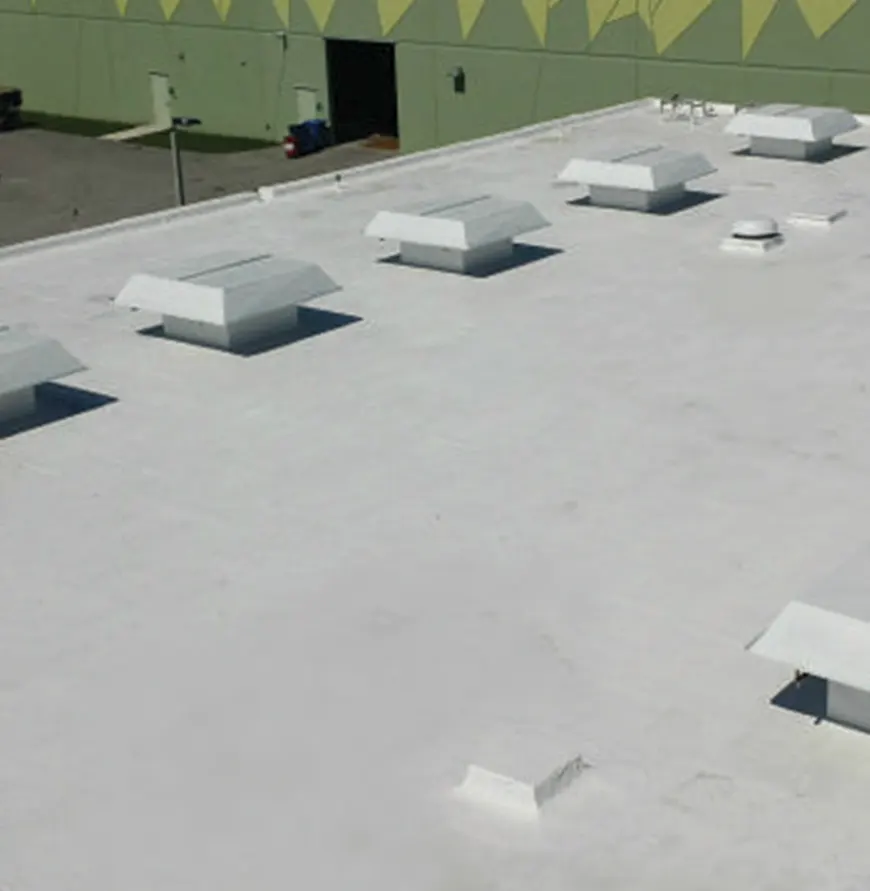
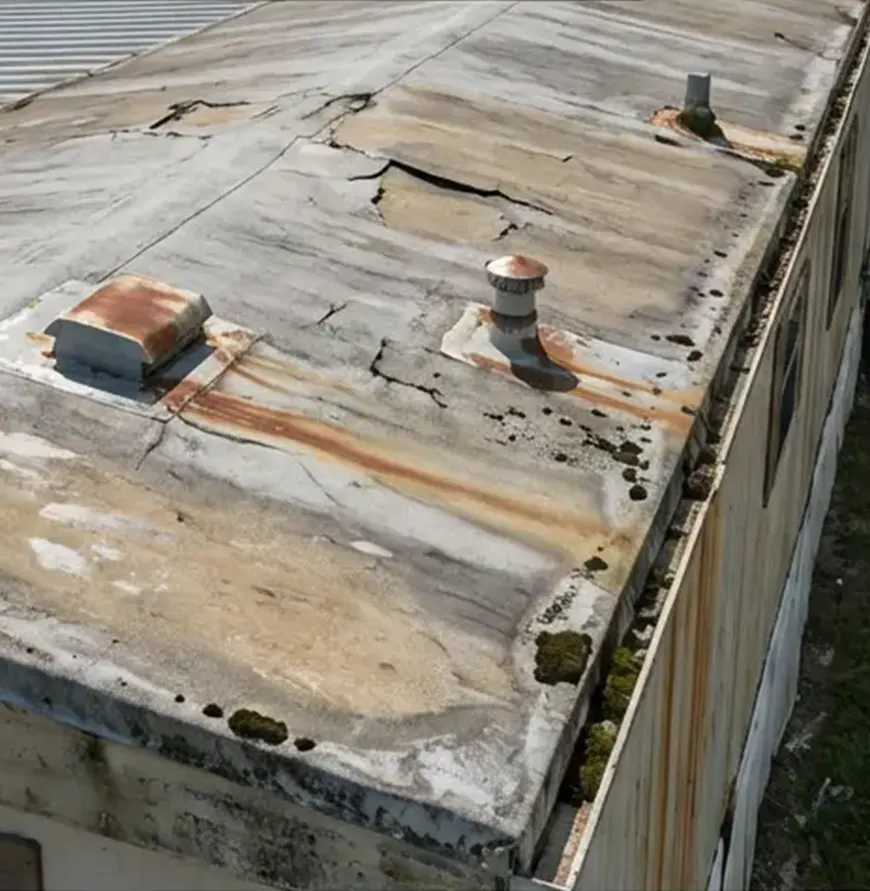
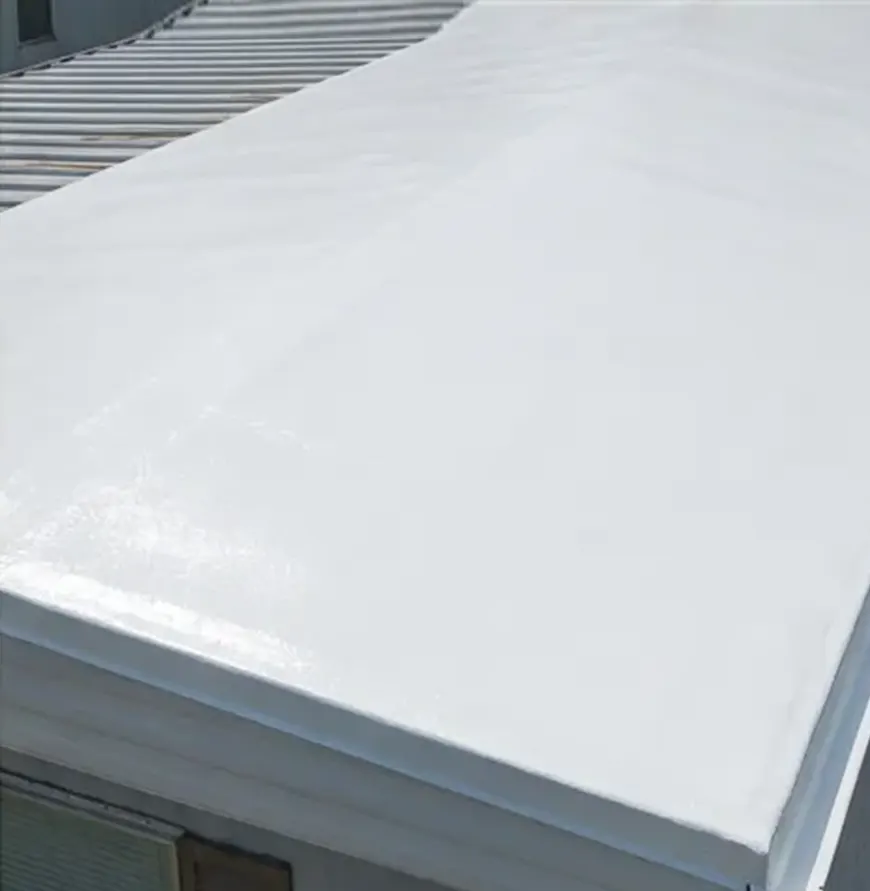
A sealer applied to a damp roof does not bond. We wait for proper drying time even when it pushes the job out a day, because the alternative is work that fails inside two years.
Fully QBCC licensed and insured, working to Queensland height safety requirements. (QBCC Licence No. [INSERT])
Every job documented before and after, so you can see exactly what you paid for without taking anyone's word for it.
Chermside, Aspley, Bracken Ridge, Everton Park, Stafford, Nundah, Clayfield, Ashgrove, The Gap, Ferny Grove
Mount Gravatt, Sunnybank, Carindale, Holland Park, Coorparoo, Camp Hill, Annerley, Salisbury
Indooroopilly, Kenmore, Chapel Hill, Toowong, Jindalee, Centenary Suburbs
Wynnum, Manly, Cleveland, Capalaba, Victoria Point, Thornlands
North Lakes, Redcliffe, Caboolture, Strathpine, Narangba, Burpengary
Springfield, Springwood, Shailer Park, Browns Plains, Booval, Ripley
The Gold Coast on request. If your suburb is not listed, call us anyway. We most likely cover it.